Save Energy. Save Money.
Live Smarter.

Power Pro Genius delivers expert guidance, proven strategies, and cutting-edge insights to help homeowners and businesses dramatically reduce electricity consumption and lower their energy bills every single month.

Discover Our Mission

Why Energy Efficiency Matters More Than Ever

The global energy landscape is changing rapidly, and households that adapt early stand to save thousands of dollars annually.

Rising electricity costs have become one of the most significant financial burdens for modern households. According to the U.S. Energy Information Administration, the average American household spends over $1,400 per year on electricity alone. With rates continuing to climb, finding effective ways to reduce consumption is no longer optional — it is a financial necessity.

At Power Pro Genius, we believe that every kilowatt-hour saved is a step toward greater financial freedom and environmental responsibility. Our platform brings together the latest research, expert analysis, and practical tools to help you understand exactly where your energy dollars are going and how to reclaim them.

From simple behavioral changes that cost nothing to implement, to smart technology upgrades that pay for themselves within months, we cover the full spectrum of energy-saving opportunities available to today's homeowners and renters alike.
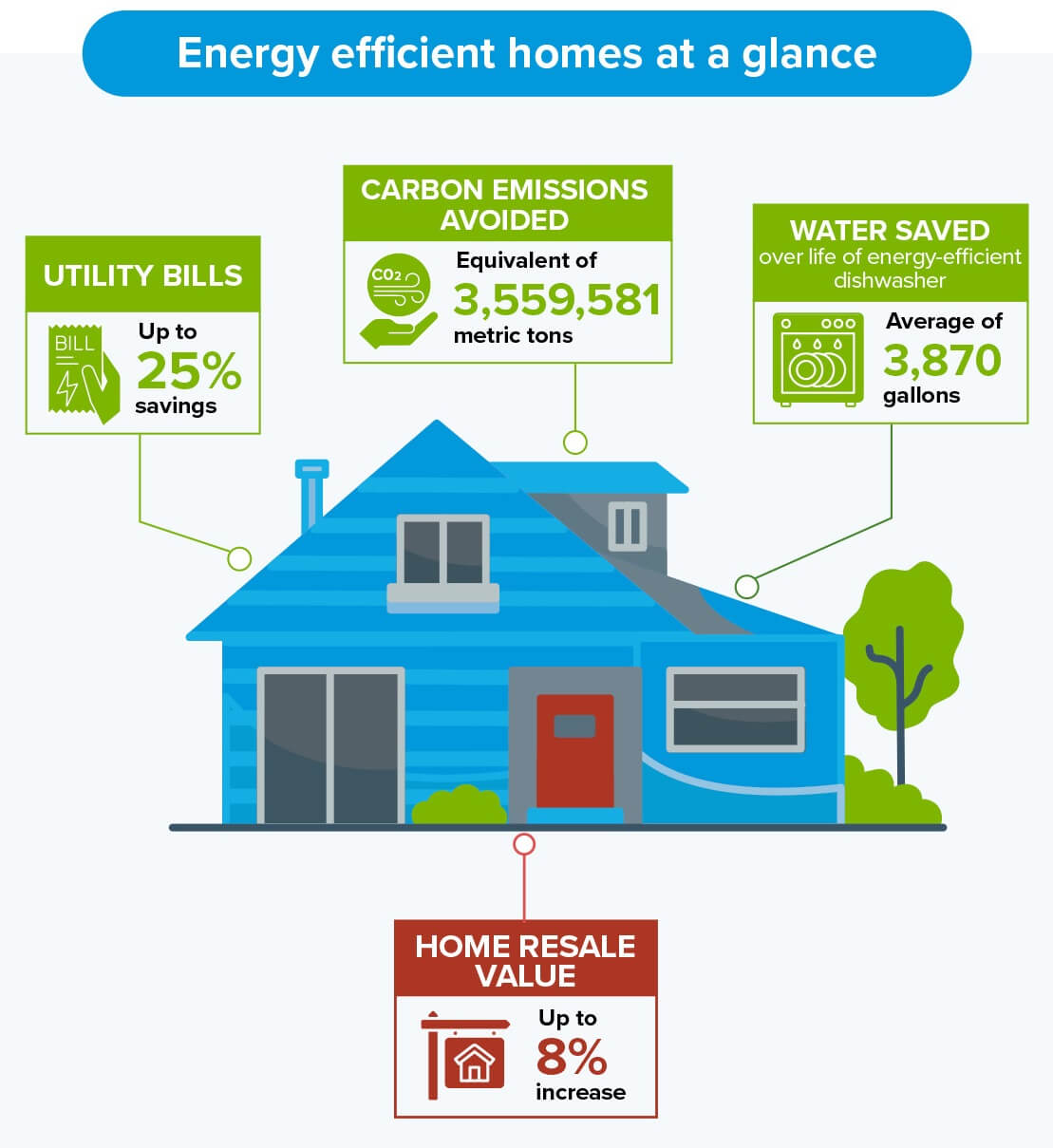
Energy Efficient Home Overview

30%

Average energy savings achievable through smart home upgrades

$1,400

Average annual household electricity expenditure in the US

50%

Reduction in lighting costs by switching to LED technology

10 yrs

Average payback period for residential solar panel installation

Comprehensive Energy Saving Strategies

Our expert team has compiled the most effective, research-backed approaches to reducing your home's energy footprint.

💡

Smart Lighting Solutions

Transitioning to LED lighting is one of the fastest and most cost-effective energy upgrades available. Modern LED bulbs use up to 75% less energy than traditional incandescent bulbs and last 25 times longer, delivering exceptional long-term value. Combined with motion sensors and smart dimmer switches, an intelligent lighting system can reduce your lighting costs by as much as 80%.

🌡️

Intelligent HVAC Management

Heating and cooling account for nearly half of a typical home's energy consumption. Installing a programmable or smart thermostat allows you to automatically adjust temperatures based on your schedule, occupancy patterns, and even local weather forecasts. Studies show that properly programmed thermostats can save homeowners up to $180 per year on heating and cooling costs alone.

🔌

Phantom Load Elimination

Standby power — often called "phantom load" or "vampire power" — accounts for approximately 10% of residential electricity use. Electronics and appliances continue drawing power even when switched off. Smart power strips, energy monitoring plugs, and simple habit changes can eliminate this hidden waste and save the average household $100 to $200 annually.

🏠

Building Envelope Optimization

Air sealing and insulation improvements address the root cause of heating and cooling inefficiency. Gaps around windows, doors, and electrical outlets allow conditioned air to escape while letting outdoor air infiltrate your living spaces. Comprehensive air sealing combined with adequate insulation can reduce energy bills by 15% to 25% while dramatically improving indoor comfort year-round.

☀️

Renewable Energy Integration

Solar photovoltaic systems have become increasingly affordable, with costs dropping by more than 70% over the past decade. A properly sized residential solar installation can offset 80% to 100% of a household's electricity consumption, and with available federal tax credits and state incentives, the financial case for solar has never been stronger. Battery storage systems further enhance energy independence.

📊

Energy Monitoring and Analytics

You cannot effectively manage what you cannot measure. Modern home energy monitors provide real-time visibility into your electricity consumption at the circuit level, helping you identify energy hogs, track usage trends, and measure the impact of efficiency improvements. Many utilities now offer free or subsidized smart meters that provide hourly usage data accessible through online portals.

Understanding Your Home Energy Monitor

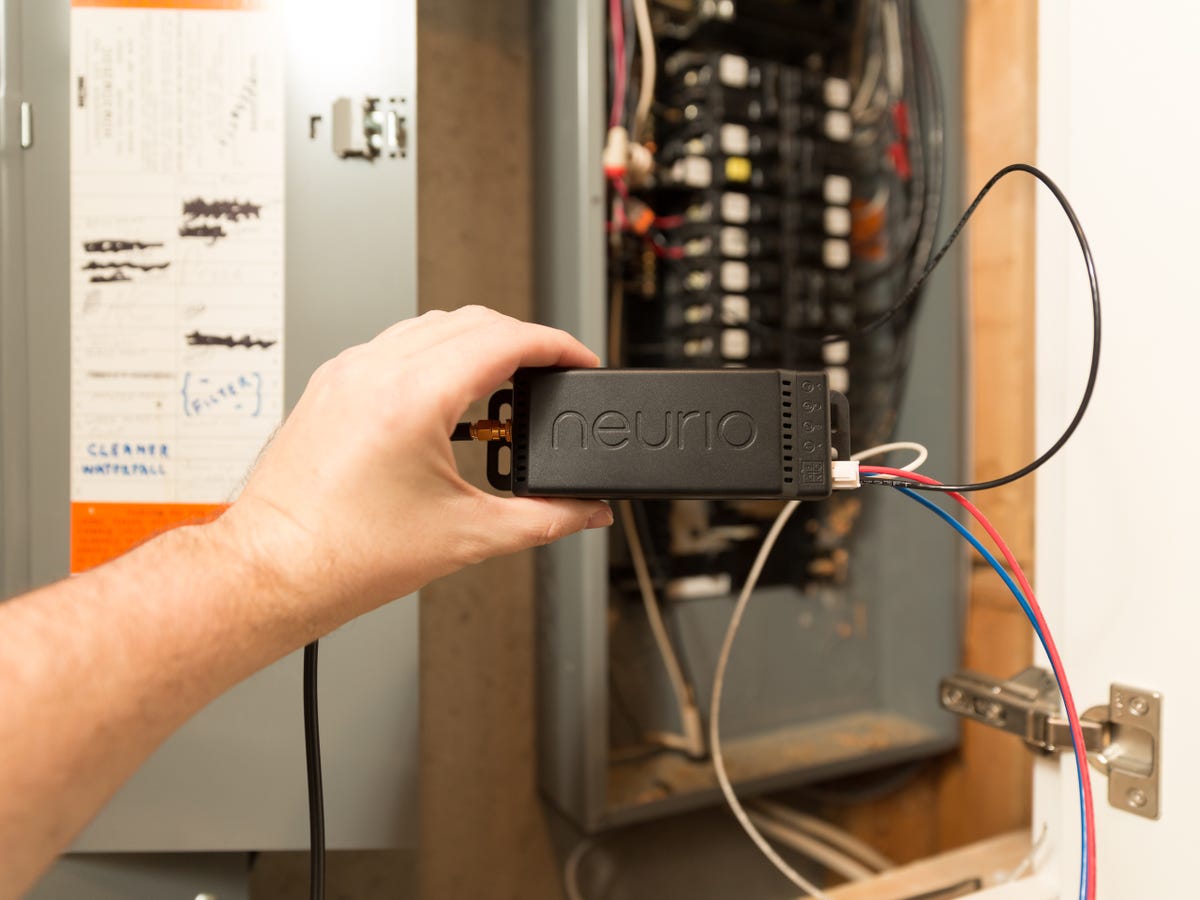
A home energy monitoring system is one of the most powerful tools available for reducing electricity waste. These devices connect to your electrical panel and provide granular, real-time data about how much power every circuit in your home is consuming at any given moment.

With this level of visibility, homeowners consistently report discovering surprising energy drains — an old refrigerator in the garage consuming three times more electricity than a modern unit, a pool pump running on an inefficient schedule, or a hot water heater with a failing heating element drawing excessive power.

The psychological impact of energy monitoring is also significant. Research published in the journal Energy Policy found that households with real-time energy feedback reduced their consumption by an average of 7% to 15% simply by becoming more aware of their usage patterns. When people can see the direct financial cost of leaving lights on or running the dishwasher during peak rate hours, behavior changes naturally.

Home Energy Monitor Device
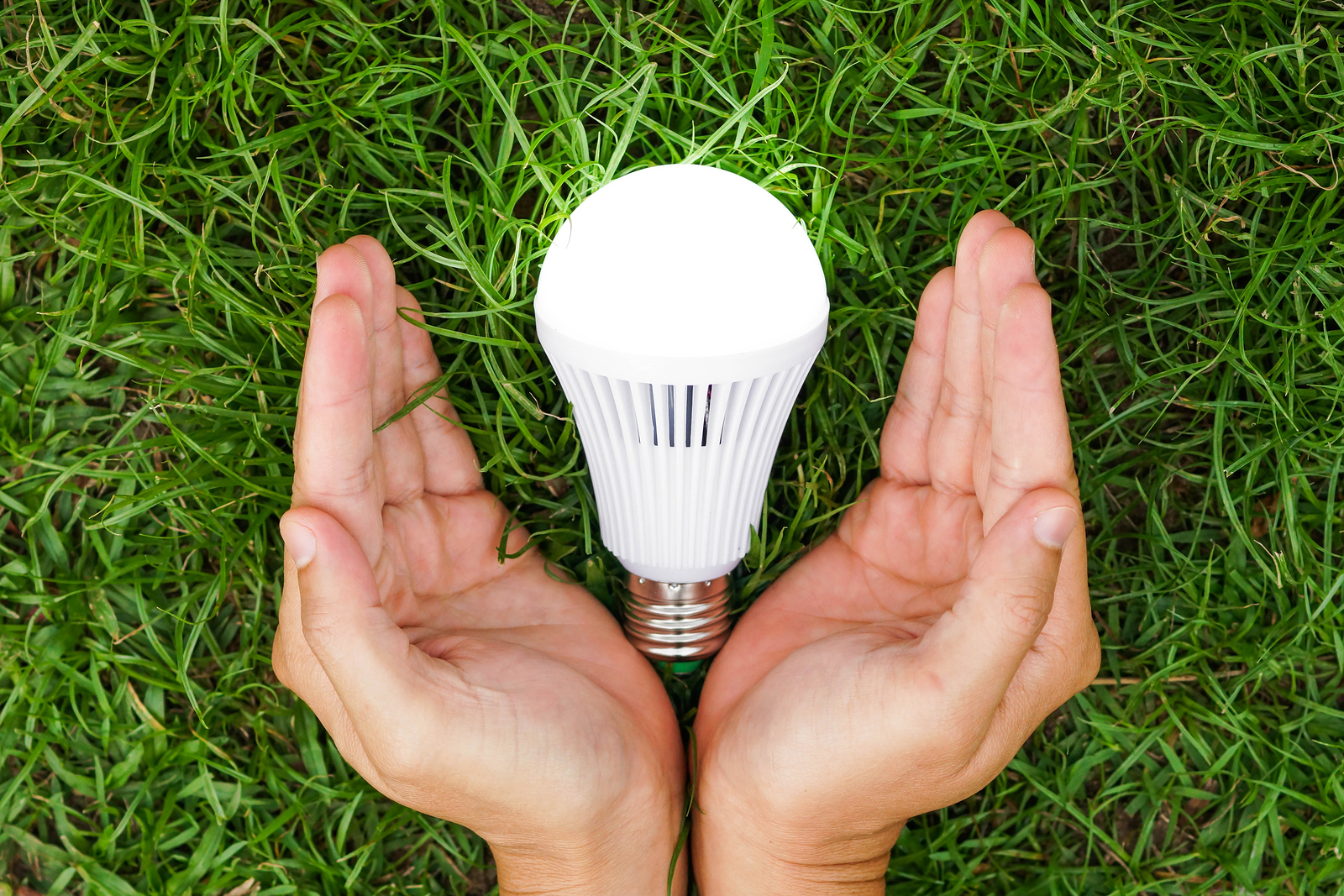
LED Energy Saving Light Bulbs

The LED Revolution in Home Lighting

The shift from incandescent and compact fluorescent lighting to LED technology represents one of the most significant energy efficiency advancements in residential history. A standard 60-watt incandescent bulb can be replaced by a 9-watt LED that produces equivalent light output — a 85% reduction in energy consumption for that single fixture.

When multiplied across an entire home with dozens of light fixtures, the cumulative savings become substantial. A household that replaces 30 incandescent bulbs with LED equivalents can expect to save approximately $200 per year on electricity costs, with the LED bulbs lasting an estimated 15,000 to 25,000 hours compared to just 1,000 hours for traditional incandescent bulbs.

Modern LED technology has also advanced dramatically in terms of light quality. Early LED bulbs were criticized for harsh, cold light that many found uncomfortable. Today's premium LED products offer warm color temperatures that closely mimic the inviting glow of incandescent lighting, making the transition both economically and aesthetically appealing.

Solar Energy: A Long-Term Investment

Residential solar power has transformed from a luxury option to a mainstream financial decision for millions of homeowners.

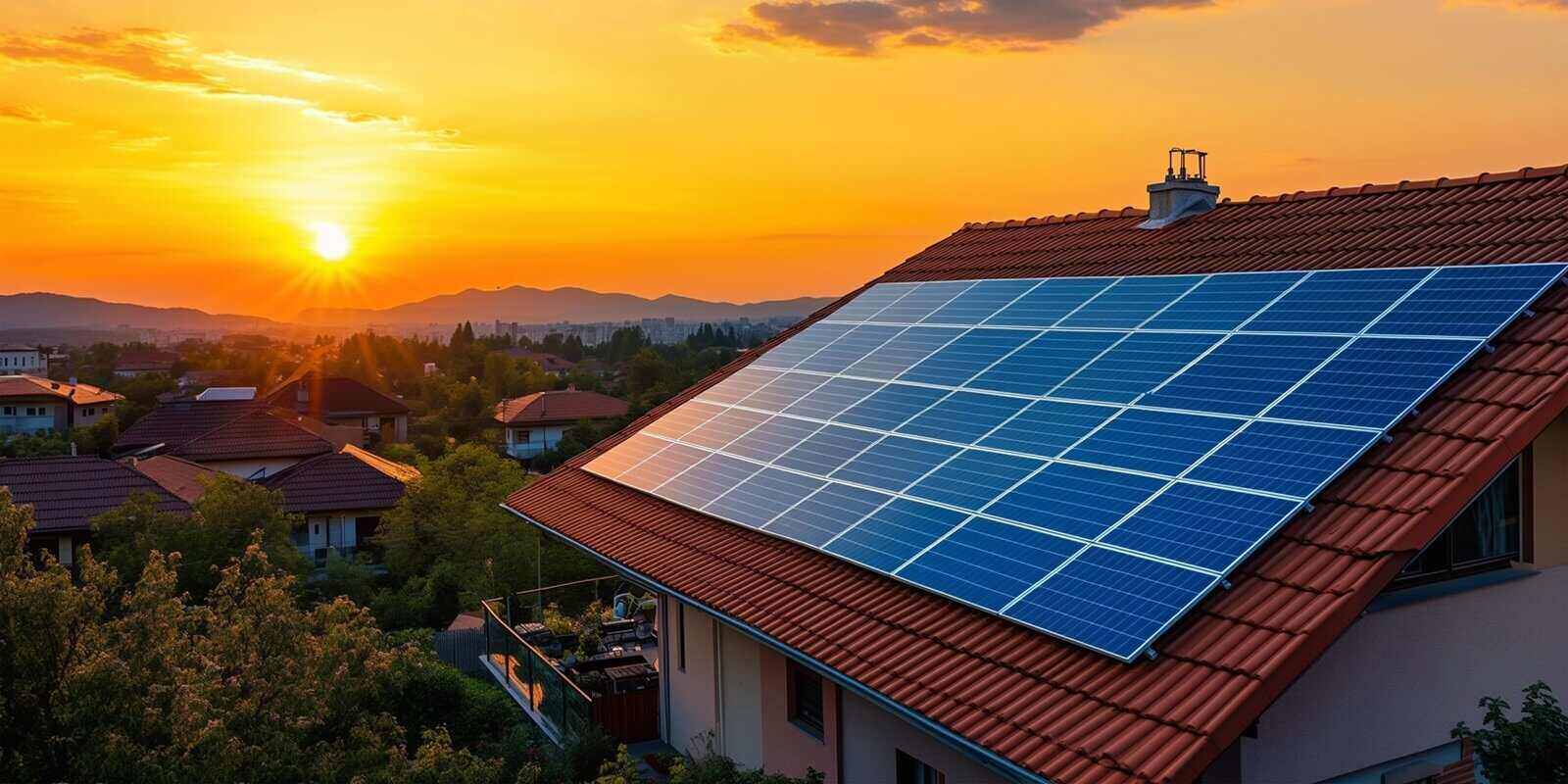
The economics of residential solar power have shifted dramatically over the past decade. What was once considered an expensive luxury reserved for environmentally conscious early adopters has become a mainstream financial decision that makes sense for millions of American homeowners. The average cost of a residential solar system has fallen from approximately $40,000 in 2010 to around $15,000 to $25,000 today, before incentives.

The federal Investment Tax Credit (ITC) currently allows homeowners to deduct 30% of their solar installation costs from their federal taxes, significantly improving the financial return on investment. Many states offer additional incentives, including property tax exemptions, sales tax exemptions on solar equipment, and net metering programs that credit homeowners for excess electricity fed back into the grid.

With electricity rates continuing to rise at an average of 2% to 3% annually, the value of solar-generated electricity increases over time, making the long-term financial case even more compelling. Most residential solar systems achieve full payback within 6 to 10 years, after which they generate essentially free electricity for the remaining 15 to 20 years of their operational lifespan.

Residential Solar Panel Installation

Smart Home Technology for Energy Management

The integration of smart home devices creates an interconnected ecosystem that optimizes energy use automatically.

The modern smart home represents a paradigm shift in how we interact with and manage our home's energy systems. Connected devices communicate with each other and with cloud-based intelligence platforms to optimize energy consumption in ways that would be impossible through manual control alone.

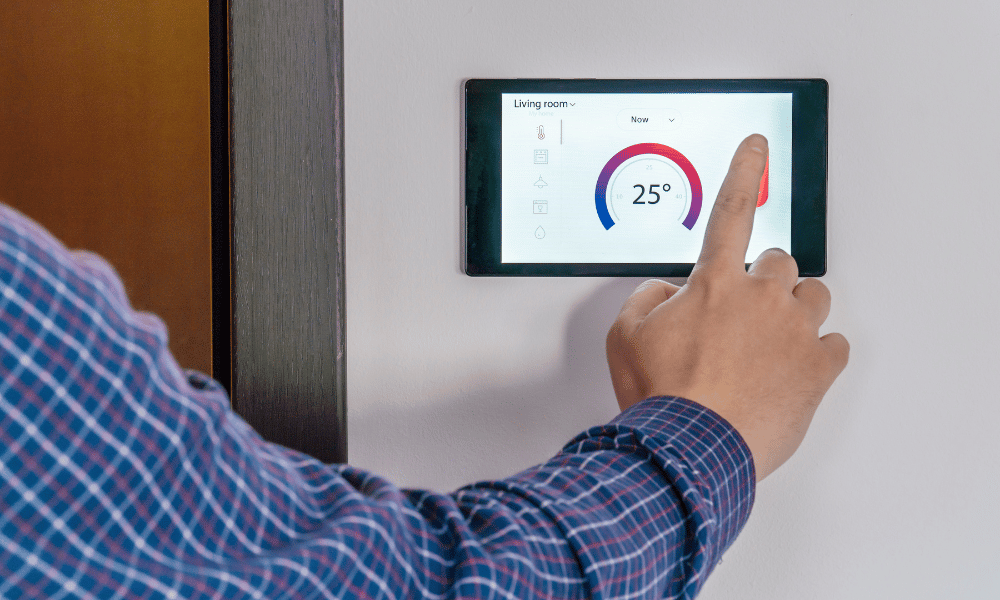
A smart thermostat learns your schedule and preferences over time, automatically adjusting temperatures to maximize comfort while minimizing energy waste. When integrated with occupancy sensors, it can detect when rooms are unoccupied and adjust heating or cooling accordingly. Some advanced systems even connect to local weather data to pre-condition your home before extreme temperature events, reducing the peak energy demand that drives up electricity costs.

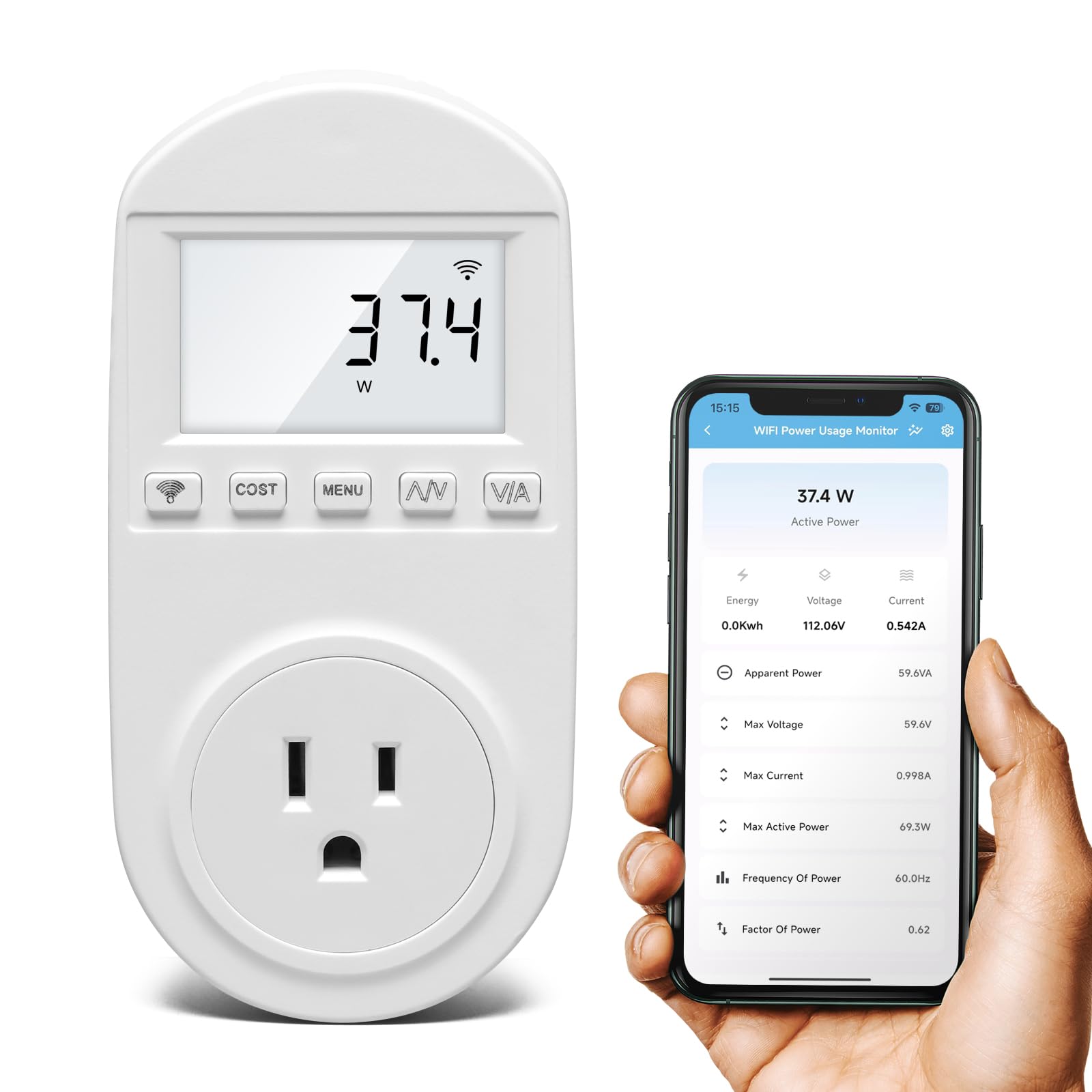
Smart plugs and power strips add another layer of control, allowing you to monitor and manage the energy consumption of individual appliances through a smartphone app. You can set schedules to ensure appliances only run during off-peak rate hours, receive alerts when devices are consuming more power than expected, and remotely turn off devices you accidentally left running.

Smart Home Energy Management System

Practical Tips for Immediate Savings

These no-cost and low-cost strategies can begin reducing your electricity bill starting this month.

  • Wash clothes in cold water — modern detergents are formulated to work effectively at lower temperatures, and you can save up to $60 per year by eliminating hot water washing.
  • Run dishwashers and washing machines only with full loads to maximize efficiency and minimize the number of cycles required per week.
  • Lower your water heater temperature to 120°F (49°C) — the default setting of 140°F is unnecessarily high and wastes significant energy maintaining that temperature.
  • Use ceiling fans strategically — in summer, set fans to rotate counterclockwise to create a cooling breeze; in winter, reverse the direction to push warm air down from the ceiling.
  • Seal air leaks around windows and doors with weatherstripping and caulk — this simple improvement can reduce heating and cooling costs by 10% to 20%.
  • Unplug chargers, televisions, and other electronics when not in use, or use smart power strips to automatically cut power to devices in standby mode.
  • Cook with lids on pots and pans to retain heat and reduce cooking time, and use the microwave or toaster oven instead of the full oven for small meals.
  • Take advantage of time-of-use electricity rates by shifting energy-intensive tasks like laundry and dishwashing to off-peak hours, typically late evening or early morning.
Power Usage Monitor Device

Contact Us

Email: [email protected]

Address: 1127 Energy Avenue, Suite 830, Austin, TX 78701, United States